Darknet Markets 2026:
The dark web is part of the deep web but is built on darknets: overlay networks that sit on the internet but which can't be accessed without special tools or software like Tor. Tor is an anonymizing software tool that stands for The Onion Router — you can use the Tor network via Tor Browser.
| Darknet Market | Established | Total Listings | Link |
|---|---|---|---|
| TorZon Market | 2022 | 140+ | Onion Link |
| Nexus Market | 2024 | 600+ | Onion Link |
| Abacus Market | 2022 | 100+ | Onion Link |
| Ares | 2026 | 100+ | Onion Link |
| Cocorico | 2023 | 110+ | Onion Link |
Updated 2026-10-27
A Stable Link for Easy and Secure Shopping on the Nexus Darknet
Stable access is the foundational requirement for any functional marketplace, and the Nexus darknet link provides this through a resilient mirror system and consistent onion URL distribution. This operational stability directly facilitates commerce by ensuring users can reliably connect to the platform without interruption, which is a primary advantage over less organized darknet spaces. The technical infrastructure behind this access employs rotating mirrors and backup links, effectively mitigating common points of failure and distributed denial-of-service attacks.
This reliability translates into a predictable and secure shopping environment. When access is constant, users can engage with the platform's core features without disruption: browsing vendor listings, communicating through encrypted messaging, and finalizing transactions. The stable link is therefore not merely a technical detail but a critical component that enables the use of the platform's multisig escrow system and vendor reputation framework. A broken or unreliable connection would render these security and trust mechanisms useless, as timely interaction is required for dispute resolution and feedback submission.
The consistent availability of the Nexus link supports all subsequent steps in the procurement process:
- It allows for thorough evaluation of vendor profiles and historical sales data.
- It enables the secure initiation of a multisig transaction, where funds are held in escrow until order completion.
- It provides a channel for post-delivery communication and the release of escrow, cementing the transaction's integrity.
How Multisig Escrow Makes Darknet Deals Safe and Easy
The foundation of secure commerce on the Nexus darknet link is its multisignature escrow system. This mechanism acts as a neutral third party for every transaction, holding the buyer's funds until the ordered goods are received and confirmed. Unlike simple escrow, multisig requires multiple cryptographic signatures to release payment, typically from the buyer, the vendor, and sometimes a moderator. This structure distributes control and eliminates the risk of a single party acting maliciously.
For the buyer, this means funds are not directly sent to the vendor upon ordering. They are locked in the escrow address. The vendor ships the product knowing the payment is secured and cannot be unilaterally withdrawn. Only after the buyer confirms satisfactory delivery do they provide their signature to release the funds. This process builds inherent trust and facilitates smoother transactions, as both parties are protected from common threats like scams or failure to ship.
The technical implementation is streamlined for user experience. The platform generates the multisig wallet and manages the signature process through the interface, so users are not required to handle complex commands. The system's efficiency is evident in its dispute resolution protocol. If a disagreement arises, a moderator can intervene. With access to the transaction evidence and the third signature, the moderator can adjudicate and release funds to the rightful party, ensuring fair outcomes without relying on external legal systems.
This escrow model directly supports the marketplace's reputation framework. Successful completions without disputes positively impact vendor and buyer profiles. Consequently, the multisig system is not just a security feature but a core component that enables a reliable, self-regulating economic environment where voluntary trade can flourish with minimized risk.
How Vendor Reputation Makes Shopping on the Darknet Safer
The vendor reputation framework is the primary mechanism for establishing trust on the Nexus darknet link. It functions as a transparent, community-driven scoring system that directly influences a seller's visibility and success. Each completed transaction allows the buyer to leave detailed feedback, including ratings for product quality, shipping speed, and communication. This collective data is aggregated into a public profile, creating a reliable performance history.
A vendor's reputation score determines their position in search results and category listings. Sellers with consistently high ratings and a large volume of positive reviews are promoted by the platform's algorithms, making them more visible to users. This system incentivizes vendors to maintain high standards, as any decline in service or product quality is immediately reflected in their public score and can impact future sales. The framework effectively reduces risk by allowing buyers to make informed decisions based on the documented experiences of previous customers.
The integration of this reputation data with the multisig escrow system further enhances security. Buyers can confidently order from highly-rated vendors, knowing the funds are protected until the product is received and verified. This combination creates a self-regulating marketplace where trustworthy vendors are rewarded with more business, and new users have a clear path to identifying reliable sources for their purchases.
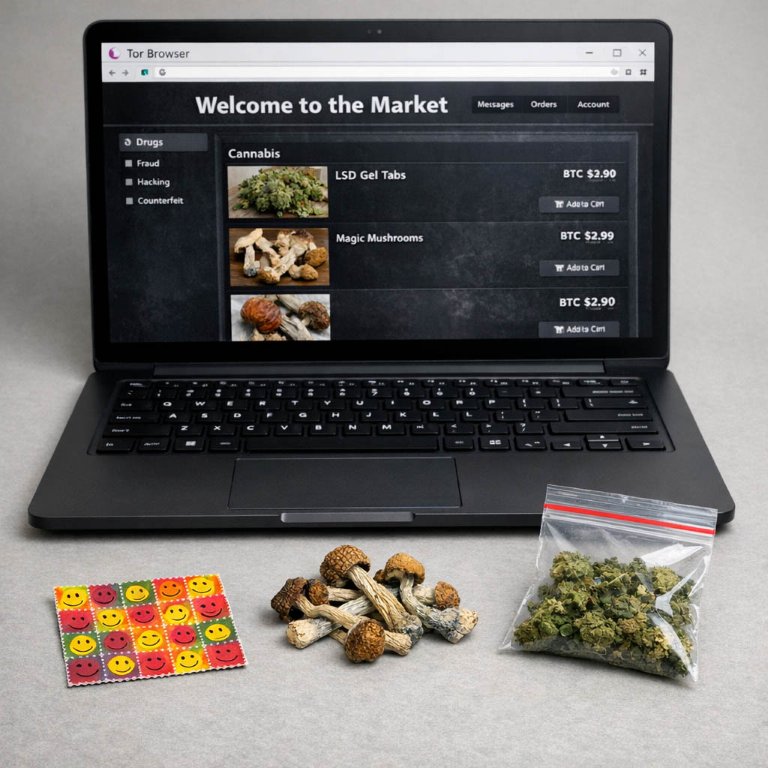
A Huge Selection of Drugs on the Darknet
The Nexus darknet link provides a marketplace with a comprehensive catalog of substances, which directly supports a stable and efficient shopping experience. This extensive availability is a core functional component, not merely a listing of products. It creates a competitive environment where vendors specialize, leading to higher purity standards and more precise product descriptions to maintain positive user feedback and reputation.
The platform's organization allows for straightforward navigation to specific categories. Users can efficiently locate items based on chemical composition, intended effect, or geographic origin. This systematic categorization minimizes search time and reduces transactional friction. The presence of numerous trusted vendors for similar items gives buyers leverage, as they can select based on a combination of price, detailed vendor reputation metrics, and historical transaction data visible on the vendor profile.
This variety interacts directly with the platform's security mechanisms. The multisig escrow system standardizes the payment process across all transactions, regardless of the substance category. This uniformity means that the procedural security for purchasing a common item is identical to that for a rare one, embedding safety into the operational framework. The vendor reputation framework further filters this wide selection, as products from vendors with poor feedback or low transaction counts are naturally deprioritized in user searches, creating a self-regulating quality filter.
Consequently, the broad inventory serves a practical purpose: it consolidates demand, which in turn incentivizes vendors to adopt the platform's secure transaction protocols and engage positively with the feedback system to build trust. The outcome is a streamlined process where finding products and completing purchases requires minimal steps, as the ecosystem's design aligns vendor reliability with user safety and choice.
How Reviews Build Trust for Sellers on the Darknet
The vendor reputation framework on the Nexus darknet link operates as a self-regulating mechanism, where user feedback directly determines a seller's visibility and perceived reliability. This system transforms subjective experience into objective, actionable data. Every completed transaction allows the buyer to leave detailed ratings and written evaluations covering product quality, shipping speed, stealth, and communication.
These reviews are aggregated into a public vendor profile, creating a transparent history. A seller with consistently high ratings and positive feedback is algorithmically promoted within search results and category listings, increasing their visibility. Conversely, a pattern of negative reviews or unresolved disputes lowers a vendor's standing, making them less prominent. This creates a powerful incentive for sellers to maintain high standards in their service and product offerings.
The feedback is not merely a score; it is a critical component of the multisig escrow system. Before finalizing a transaction, buyers review this accumulated trust data. A vendor with a long history of positive feedback provides greater assurance, making the purchasing decision more straightforward. This integration means that the reputation system and the secure transaction protocol work in tandem to reduce risk and build a predictable marketplace environment.

A Simple Layout for Smooth Shopping on the Darknet
The Nexus darknet link provides a streamlined interface that significantly lowers the barrier to entry for new users. Unlike earlier platforms with cluttered designs, the layout is intuitive, with clear categories and a responsive search function. This design philosophy directly supports safe and easy shopping by minimizing user error during navigation, which is a critical factor in maintaining operational security.
Key interface elements contribute to this efficiency:
- Product listings are standardized, displaying vendor reputation, price, and shipping options at a glance.
- The checkout process is a linear, step-by-step procedure that clearly outlines each action, from selecting a shipping address to finalizing the multisig escrow agreement.
- Integrated communication tools keep all deal-related correspondence within the platform's encrypted system, preventing the need for external, less secure channels.
This straightforward design works in tandem with the platform's other trust systems. A clear interface ensures that users can effectively engage with the vendor reputation framework and correctly utilize the multisig escrow system without confusion. The reduction in navigational complexity allows users to focus their attention on evaluating vendor trustworthiness and transaction security, rather than struggling with the platform mechanics themselves. Consequently, the user experience is defined by predictability and control, fostering an environment where commercial transactions can proceed with a high degree of confidence and simplicity.
Easy Shopping on the Darknet
The process of acquiring goods on the Nexus darknet link is engineered for operational efficiency. The platform's straightforward interface allows users to locate desired items quickly through a robust search function and well-organized categories. Product listings are comprehensive, detailing substance specifications, quantity options, and shipping origins, which facilitates informed decision-making.
After selecting a product, the transaction is secured by the multisig escrow system. This mechanism holds the cryptocurrency in a three-key wallet, requiring two of three parties to release funds. This prevents fraud by ensuring the vendor only receives payment upon successful delivery, while also protecting the seller from false non-receipt claims. The steps are minimal:
- Select product and vendor based on reputation metrics.
- Initiate order, sending cryptocurrency to the multisig escrow address.
- Await vendor shipment and confirmation.
- Finalize the transaction upon receipt, releasing funds from escrow.
This streamlined workflow, underpinned by cryptographic security, reduces complexity and time investment. The integration of user feedback directly into vendor profiles further refines this process, as high-performing sellers are easily identifiable, ensuring repeatable and reliable purchasing experiences.
How Escrow Makes Buying on the Darknet Safe and Easy
The foundation of a positive user experience on the Nexus darknet link is the multisig escrow system. This technical solution directly addresses the core issue of trust in anonymous commerce. In a standard transaction, funds are held by a third party until the buyer confirms receipt. The multisignature model enhances this by requiring two out of three cryptographic keys to release payment: one from the buyer, one from the vendor, and one from the platform. This design ensures that no single party can act unilaterally, effectively eliminating the risk of exit scams and providing a neutral framework for dispute resolution.
This security mechanism translates directly into user confidence and platform efficiency. Buyers can engage with vendors knowing their funds are protected until they are satisfied with the product. This assurance encourages market activity and allows the vendor reputation framework to function accurately, as feedback reflects genuine product and service quality rather than fraud. The process is streamlined:
- Buyer and vendor agree to terms, initiating a multisig escrow address.
- Funds are locked in this address, visible to all parties.
- Upon delivery confirmation, buyer and vendor collaboratively release payment.
- In case of dispute, a moderator can review evidence and provide the second key for a fair resolution.
Consequently, the entire shopping journeyfrom finding products to completing a purchaseis built upon this secure base. The straightforward interface is effective because it integrates these complex security protocols seamlessly. Users navigate and transact with minimal steps not despite the security, but because of it. The result is a reliable environment where the variety of available substances can be accessed with predictable outcomes, fostering a stable and efficient marketplace that prioritizes transactional integrity and user safety.