Darknet Markets 2026:
The dark web is part of the deep web but is built on darknets: overlay networks that sit on the internet but which can't be accessed without special tools or software like Tor. Tor is an anonymizing software tool that stands for The Onion Router — you can use the Tor network via Tor Browser.
| Darknet Market | Established | Total Listings | Link |
|---|---|---|---|
| TorZon Market | 2022 | 140+ | Onion Link |
| Nexus Market | 2024 | 600+ | Onion Link |
| Abacus Market | 2022 | 100+ | Onion Link |
| Ares | 2026 | 100+ | Onion Link |
| Cocorico | 2023 | 110+ | Onion Link |
Updated 2026-10-27
Secure and Easy Trading with Escrow on the Darknet
The evolution of cryptographic escrow in 2025 represents a fundamental shift in how trust is engineered on darknet platforms. Unlike earlier systems reliant on a single market's integrity, modern multi-signature (multisig) escrow distributes control of funds between buyer, vendor, and a neutral third party or arbitrator. This technical framework ensures that no single entity can unilaterally release or steal the payment, effectively eliminating the risk of exit scams that plagued earlier markets.
The process is both automated and transparent. Funds are locked in a cryptographic contract with release conditions programmed into the transaction itself. A successful delivery triggers a release signed by both parties, while disputes initiate a review by a pre-agreed, reputable arbitrator whose decision is enforced by the protocol. This creates a self-enforcing environment of accountability, where financial security is not a promise but a mathematical certainty. The result is a trading landscape where participants can engage with significantly reduced anxiety, focusing on the transaction's merits rather than the fear of fraud.
Decentralized Hosting Keeps Darknet Markets Online and Trading Smooth
The operational backbone of 2025 darknet markets is a shift from centralized servers to decentralized hosting. This architecture distributes the platform's data and functions across a peer-to-peer network, making it resistant to single points of failure. The direct result is unprecedented platform stability and uptime. Users experience fewer service interruptions, and the constant threat of a centralized server takedown by external forces is virtually eliminated. This creates a more reliable trading environment where transactions can proceed without the fear of the marketplace disappearing mid-trade.
This stability is achieved through technologies like distributed hash tables (DHT) and peer-to-peer mesh networks. Each participating user's client software holds a small, encrypted fragment of the platform. For the marketplace to go offline, a significant majority of the network would need to be simultaneously disabled, a task that is logistically impractical. Consequently, vendors can maintain consistent storefronts and communication, while buyers have continuous access to their accounts and the cryptographic escrow systems that hold funds securely until order completion.
How Modern Reputation Systems Make Darknet Trade Safer
The evolution of vendor reputation systems represents a fundamental shift towards a more secure and predictable trading environment. Early darknet markets relied on simple feedback scores, which were vulnerable to manipulation through fake reviews. The 2025 ecosystem has moved beyond this with multi-faceted, algorithmically-driven trust metrics. These systems automatically aggregate and weigh data points far beyond a single number.
Transactions are now analyzed for consistency across several dimensions:
- Product purity metrics from community-funded lab testing results are integrated directly into the vendor's profile.
- Shipping speed and stealth consistency are tracked and displayed as a historical trend line, not just an average.
- Communication response rate and resolution of disputes are quantified.
The automation ensures that a vendor's standing reflects sustained performance. A new vendor with a few perfect orders does not rank above an established vendor with thousands of consistently positive transactions. This data-centric approach minimizes subjective bias and provides buyers with a transparent, fact-based profile. The system inherently promotes high-quality vendors, as their detailed reputation becomes their most valuable asset, directly influencing sales. This creates a self-reinforcing cycle where vendors are incentivized to maintain high standards in product quality, communication, and logistics to protect their algorithmically-generated standing.

Better Drugs and More Choice on the Darknet
The expansion of product variety on 2025 darknets is directly linked to the implementation of verified quality metrics. These systems move beyond simple user reviews to incorporate standardized, data-driven assessments. Vendors now provide detailed lab analysis certificates for substances, which are hashed and immutably stored on supporting blockchains. This allows buyers to verify a product's chemical composition and purity against the vendor's claims before purchase, creating a foundation for informed choice.
This verification process incentivizes vendors to maintain high standards, as products with superior and consistent metrics achieve better visibility and sales. The ecosystem naturally filters out unreliable suppliers. A buyer searching for a specific pharmaceutical, for example, can compare listings not just by price, but by verified potency and the absence of listed adulterants. The result is a marketplace where product selection is wider because trust in the listed items is higher, reducing the risk of misrepresented or dangerous products.
The aggregation of this data over time builds comprehensive vendor profiles. A seller's reputation becomes a transparent ledger of their product history. This environment encourages specialization and the introduction of niche products that were previously too risky for buyers to consider. The market's product diversity grows organically, supported by a technical framework that replaces uncertainty with verified information.
How Darknet Markets Now Guarantee Your Delivery
The logistical framework of darknet markets in 2025 has evolved into a highly standardized and reliable process, directly addressing a historical point of failure. Modern platforms integrate automated tracking systems and vendor performance analytics that create a transparent and predictable delivery timeline. This system functions on verified data, where a vendor's shipping speed, packaging quality, and success rate are quantified and publicly displayed.
Operational efficiency is achieved through several integrated components:
- Standardized packaging protocols that are discreet and robust, significantly reducing interdiction rates.
- Predictable shipping schedules managed by vendor software, allowing buyers to know precisely when to expect a delivery.
- Geographic performance metrics that show which vendors have the highest success rates for specific destinations.
This data-driven approach minimizes uncertainty. A buyer can select a vendor not only based on product quality but also on a demonstrated logistical competency. The market software often includes automated notifications for shipping milestones, creating a professional purchasing experience. Consistent delivery builds user trust and platform loyalty, as repeated successful transactions reinforce the market's role as a stable facilitator of trade. The result is a commercial environment where logistical reliability is a given, not a gamble, allowing users to engage with greater confidence and planning foresight.
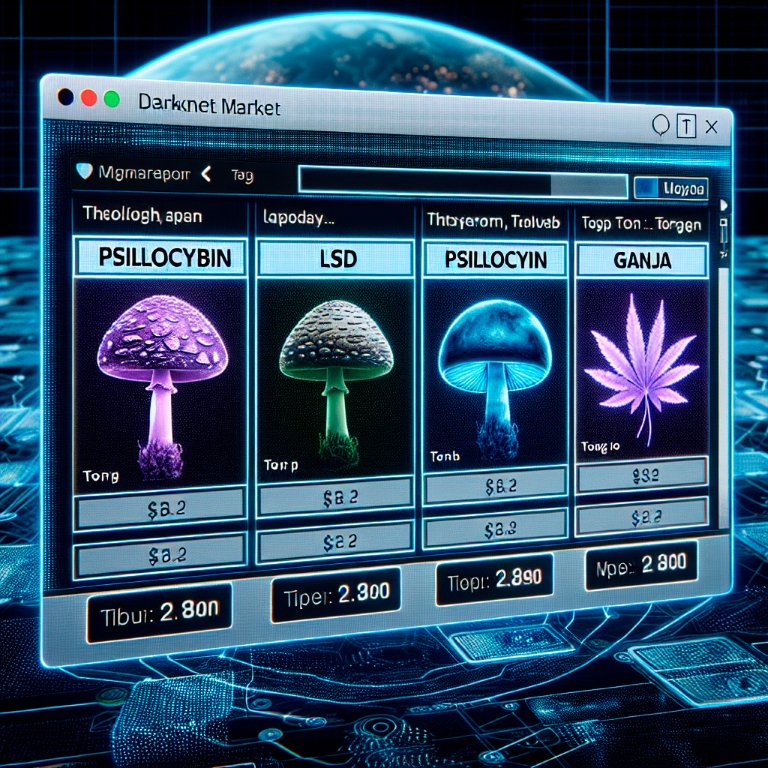
Easy and Private Darknet Shopping
The evolution of darknet markets in 2025 is characterized by a significant shift towards user-centric design that does not compromise on operational security. Interfaces now prioritize intuitive navigation, allowing users to manage transactions, escrow, and vendor communication through clear, guided workflows. This reduces user error, which historically was a major point of security failure.
Privacy features are seamlessly integrated into the user experience. Built-in tools for encrypted communication, automatic PGP handling, and clear visual indicators for vendor verification status are standard. The design philosophy moves away from the clunky, technical interfaces of the past, making robust security practices the default and easy path for all users, regardless of their technical expertise.
This focus on usability directly supports a safer trade environment. When users can easily understand and utilize features like multi-signature escrow or check a vendor's detailed reputation metrics, they make more informed decisions. The market interface itself becomes a trusted intermediary, presenting complex datafrom shipping reliability statistics to product purity reportsin an accessible dashboard format.
- Simplified PGP key management and message encryption
- Dashboard widgets for tracking escrow status and order progress
- Visual reputation systems with historical data graphs
- Filtered search functions based on verified quality and delivery metrics
The result is a platform where privacy and security are not barriers but facilitated processes. This lowers the threshold for safe participation and empowers buyers to consistently engage with trusted, high-feedback vendors, reinforcing the overall stability and reliability of the marketplace ecosystem.
How Today's Darknet Makes Drug Trade Safer and Smarter
The evolution of darknet markets by 2025 has culminated in a mature digital ecosystem that fundamentally redefines the safety parameters of the trade. This maturity is not incidental but the direct result of iterative technological and social innovations adopted by the community. The primary driver of this enhanced safety is the near-universal implementation of cryptographic multi-signature escrow. This system removes the need for a single, potentially corruptible, central party to hold funds. Instead, a transaction requires digital signatures from both the buyer and the vendor to release payment, with a neutral third party or an automated smart contract acting as the final arbitrator only in case of dispute. This technical framework eliminates the risk of exit scams by market administrators, which historically represented the largest financial threat to participants.
Parallel to secure escrow, the decentralized hosting of market infrastructure on distributed networks like Tor or I2P, and increasingly on peer-to-peer frameworks, ensures unprecedented platform stability and uptime. This architectural shift makes markets resistant to takedowns by external entities, providing a persistent and reliable trading environment. Within this stable environment, automated reputation systems have grown exponentially more detailed. They now track a comprehensive suite of verified metrics beyond simple feedback scores, including:
- Chemical purity analysis from community-funded testing labs.
- Statistical delivery success rates and shipping time consistency.
- Historical data on dispute resolution and communication responsiveness.
These systems transform vendor reputation from a subjective opinion into an objective, data-driven profile. A buyer in 2025 can therefore make an informed choice based on empirical evidence of a vendor's reliability and product quality. This is further supported by verified quality metrics sourced from independent testing services, which are cryptographically linked to product listings to prevent forgery. The logistical layer has also been professionalized, with many top vendors employing sophisticated operational security, standardized stealth packaging, and reliable shipping methods that ensure consistent and predictable delivery, mirroring the reliability expected in conventional e-commerce.
The cumulative effect of these advancements is a self-regulating ecosystem where risk is systematically minimized through technology and transparency. Trust is no longer a matter of blind faith but is algorithmically assured through escrow, proven through immutable reputation data, and verified by independent quality controls. This environment empowers informed trade, where participants engage with a high degree of confidence in both the security of their transactions and the integrity of the products they purchase.